

 EN
EN  English
 Deutsch
 中文简体
中文简体 Author: Admin Date: 2026-08-06
Electric Ice Crusher vs Manual Ice Crusher: Which One Is Better for Restaurants?
Content
- 1 Electric Ice Crusher vs Manual Ice Crusher: Which Is Better for Restaurants
- 2 How Electric Ice Crushers Work
- 3 How Manual Ice Crushers Work
- 4 Electric vs Manual Ice Crusher: Key Differences at a Glance
- 5 Ice Crusher Performance Reference Data
- 6 Ice Texture and Application: Cocktails, Smoothies, Frozen Drinks and Desserts
- 7 Matching the Right Ice Crusher to Your Restaurant Setting
- 8 Cleaning and Maintenance Guide for Ice Crusher Machines
- 9 Choosing a Reliable Commercial Ice Crusher Machine Supplier
- 10 Frequently Asked Questions About Ice Crusher Machines
- 10.1 Q1: What is an ice crusher machine used for
- 10.2 Q2: How does an electric ice crusher work
- 10.3 Q3: Can an ice crusher crush regular ice cubes
- 10.4 Q4: What is the difference between an ice crusher and an ice shaver
- 10.5 Q5: How do I clean an ice crusher machine
- 10.6 Q6: How long does an electric ice crusher last
- 10.7 Q7: What size ice cubes can an ice crusher handle
- 10.8 Q8: Is an ice crusher suitable for commercial use
- 10.9 Q9: What type of ice is best for cocktails
- 10.10 Q10: How to choose an ice crusher for a bar
Electric Ice Crusher vs Manual Ice Crusher: Which Is Better for Restaurants
For most restaurants, bars and high volume beverage programs, an electric ice crusher is the stronger choice because it produces consistent crushed ice quickly during peak service, while a manual ice crusher remains useful mainly as a low volume backup option or for smaller operations with limited counter space and light beverage demand. A commercial electric ice crusher machine can process several kilograms of ice per minute, while a manual crusher depends entirely on hand crank speed and staff effort.
The comparison below walks through how each type of machine works, how their output texture and speed compare side by side, which restaurant settings suit each option, how to keep either machine running cleanly, and what to look for when working with a commercial ice crusher machine supplier for a bar, restaurant, cafe or catering program.
How Electric Ice Crushers Work
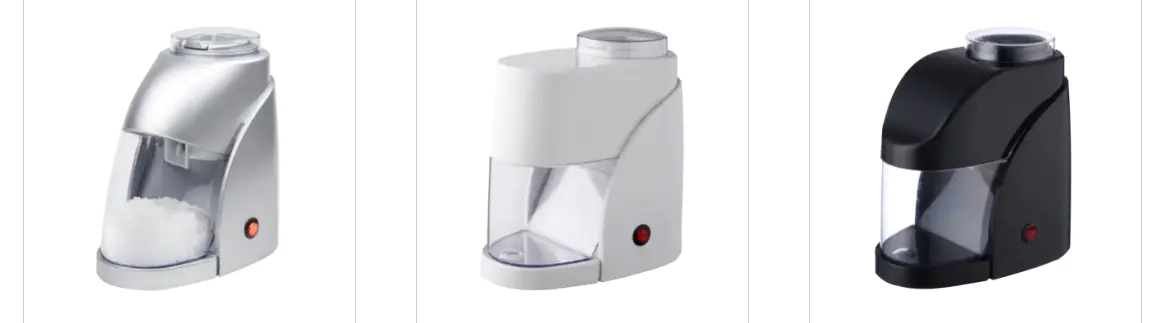
An electric ice crusher uses a motor driven blade or gear assembly to break ice cubes into smaller pieces as they pass from a feed hopper through a crushing chamber and out through a discharge chute into a collection tray or bowl. Ice cubes are loaded into the top hopper, a motor turns the internal blades or crushing plates at speed, and the crushed output falls directly into a container positioned below the machine, ready to be scooped into a glass or blender.
Typical Components on a Commercial Unit
A commercial grade electric ice crusher machine typically includes a stainless steel or reinforced plastic housing, a sealed motor unit rated for continuous restaurant service, a set of crushing blades or plates, a feed hopper sized for handling batches of ice cubes at once, and a discharge chute that channels crushed ice into a tray or directly over a glass. Many units also include a safety interlock switch that prevents the motor from running unless the hopper lid is properly closed.
How Manual Ice Crushers Work
A manual ice crusher relies on a hand crank connected to a set of internal gears or crushing plates. Ice cubes are loaded into a small hopper, and turning the crank by hand pulls the ice through the crushing mechanism, dropping crushed ice into a bowl or container placed underneath. There is no motor, no power cord and no electronic control, which keeps the unit fully portable and usable anywhere on a countertop.
Because output speed depends entirely on how fast a person turns the crank, manual units are naturally slower and produce a less uniform texture batch to batch. They remain a practical choice for small bars, catering setups, food trucks or backup service during a power outage, where occasional light crushing is needed rather than continuous high volume output.
Electric vs Manual Ice Crusher: Key Differences at a Glance
The table below summarizes how the two machine types compare across the factors that matter most when choosing equipment for a bar, restaurant or catering operation.
| Feature | Electric Ice Crusher | Manual Ice Crusher |
|---|---|---|
| Power Source | Electric motor | Hand crank |
| Crushing Speed | Fast, continuous output | Slower, depends on effort |
| Output Consistency | Uniform texture batch to batch | Varies with crank speed |
| Best Suited For | High volume bars and restaurants | Small counters and backup service |
| Noise Level | Motor operating sound during use | Mechanical crank sound only |
| Portability | Needs a power outlet | Fully portable, no power needed |
| Maintenance Needs | Motor and blade care required | Simple rinse and dry routine |
Ice Crusher Performance Reference Data
The charts below present general reference comparisons intended to illustrate typical differences between electric and manual ice crushers in restaurant settings. Figures are shown as general industry reference points for illustration rather than results from a specific test report.
Average Crushing Capacity (kg of Ice per Minute, Reference)
Reference Trend: Restaurants Choosing Electric Ice Crushers
Common Crushed Ice Grades Used in Restaurants and Bars
Handling Characteristics: Electric vs Manual Ice Crusher
Ice Texture and Application: Cocktails, Smoothies, Frozen Drinks and Desserts
Crushed ice texture changes how a drink or dish looks, feels and tastes, which is why bar and kitchen teams often choose fine, medium or coarse crushed ice depending on what is being prepared. A commercial cocktail ice crusher is generally set up to produce fine, snow-like ice for drinks such as mojitos, frappes and juleps, where the ice needs to blend quickly and chill the drink without diluting it too fast.
- Cocktails: fine crushed ice for swizzle style and frozen style drinks
- Smoothies: medium crushed ice that blends evenly with fruit and liquid bases
- Frozen drinks: consistent crushed ice texture for frozen margaritas and slush style beverages
- Desserts: crushed ice bases for shaved ice style desserts and chilled display presentations
A commercial ice crusher machine supplier that serves the food and beverage industry usually offers different blade and grid configurations so a single machine can be adjusted or paired with the right ice cube size to achieve the texture a menu item calls for.
Matching the Right Ice Crusher to Your Restaurant Setting
Choosing between an electric and manual unit often depends less on the machine itself and more on how often ice needs to be crushed during a shift and how much counter or bar space is available.
High Volume Bars and Cocktail Programs
A busy cocktail bar with a steady stream of frozen and fine ice drink orders benefits from an electric unit because it keeps pace with order volume without tying up staff time turning a crank. An ice crusher for cocktail bar use is generally selected for continuous duty motors and larger hopper capacity so bartenders can refill and keep working through a rush.
Restaurants and Cafes
A restaurant ice crushing machine used mainly for water service, iced tea or moderate drink volume can still benefit from an electric unit for consistency, though smaller cafes with lighter beverage menus sometimes find a manual unit sufficient for their pace of service.
Catering and Mobile Service
Catering teams and mobile bar setups without reliable power access often keep a manual unit on hand as a portable backup, even when their main kitchen relies on an electric machine for daily prep.
Cleaning and Maintenance Guide for Ice Crusher Machines
Regular cleaning keeps crushed ice safe for food and beverage use and helps a machine continue performing consistently over time. The steps below apply broadly to both electric and manual units, with additional care needed around the motor housing on electric models.
- Unplug the electric unit or set the manual unit aside before starting any cleaning.
- Remove the hopper lid, blade assembly or crushing plates according to the machine manual.
- Rinse removable parts with warm water to clear ice residue and any drink or fruit particles.
- Wipe the housing and hopper interior with a clean, food safe cloth, avoiding excess moisture near the motor vents on electric units.
- Dry all parts fully before reassembly to prevent ice buildup or odor between shifts.
- Check the blade edges and gears periodically for wear so crushing performance stays consistent during service.
Choosing a Reliable Commercial Ice Crusher Machine Supplier
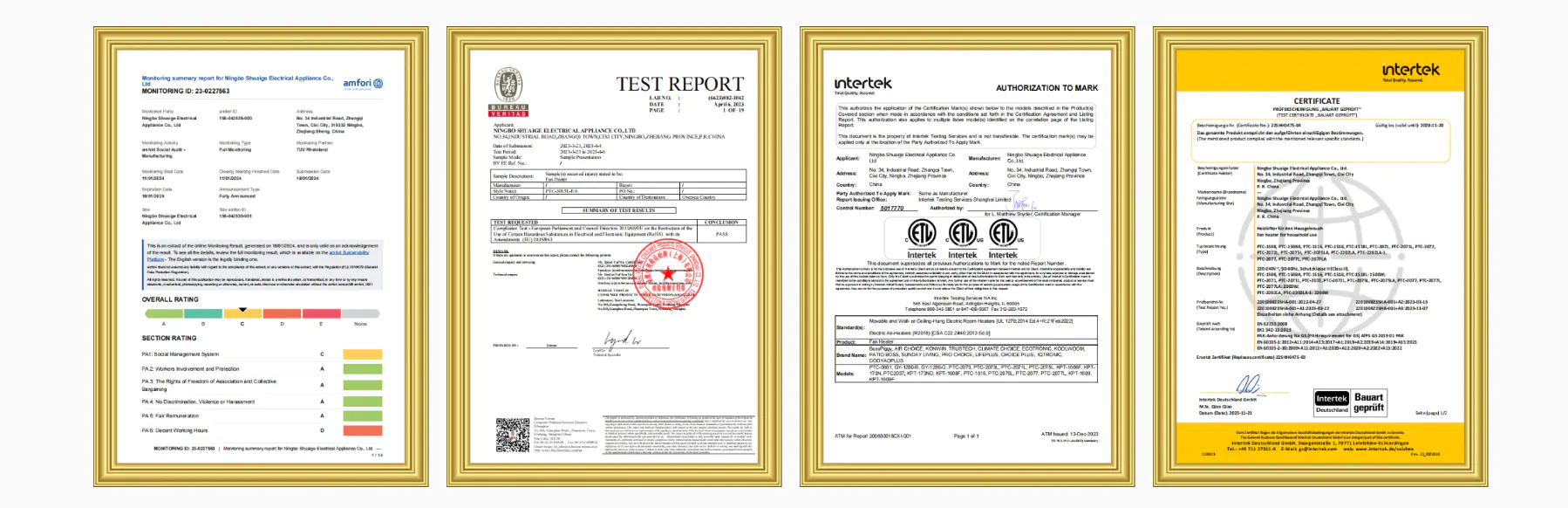
Ningbo Shuaige Electric Appliance Co., Ltd. is a China based ice crusher manufacturer and OEM and ODM ice crusher company operating a factory covering an area of 20000 square meters. With over 15 years of experience, the factory has become the OEM production partner to a number of world-famous beverage equipment brands.
Continuous investment in research and development, along with a steady focus on quality control, has supported long-term and reliable orders from customers across Europe, Southeast Asia, East Asia, the Middle East, South Africa, Oceania and South America. Buyers researching an electric ice crusher supplier China based programs can rely on include factories that manage the full process from product development through OEM and ODM production for bar ice crusher machine and restaurant grade equipment lines.
What to Look for in a Supplier
- A manufacturing footprint large enough to support consistent, high volume production
- Established OEM and ODM experience working with international beverage equipment brands
- Ongoing research and development investment for motor performance and blade durability
- A track record of reliable export orders across multiple global regions
- Support for custom configurations suited to cocktail bars, restaurants and catering equipment lines
Frequently Asked Questions About Ice Crusher Machines
-
Q1: What is an ice crusher machine used for
An ice crusher machine is used to turn ice cubes into crushed or snow-like ice for cocktails, smoothies, frozen drinks and desserts, giving bar and kitchen teams a consistent texture for blended and chilled beverages.
-
Q2: How does an electric ice crusher work
An electric ice crusher uses a motor driven blade or gear assembly to break ice loaded into a hopper, dropping the crushed output through a chute into a tray or container below the machine.
-
Q3: Can an ice crusher crush regular ice cubes
Yes, most ice crusher machines are designed to accept standard ice cube sizes made from home or commercial ice makers, feeding them through the hopper into the crushing chamber.
-
Q4: What is the difference between an ice crusher and an ice shaver
An ice crusher breaks ice cubes into smaller granular pieces, while an ice shaver planes a block or large piece of ice into fine, fluffy shavings, producing a lighter and softer texture suited to shaved ice desserts.
-
Q5: How do I clean an ice crusher machine
Unplug or set aside the unit, remove the hopper lid and blade assembly according to the manual, rinse the parts in warm water, wipe the housing with a clean cloth, and dry everything fully before reassembly.
-
Q6: How long does an electric ice crusher last
Service life depends on usage volume, cleaning habits and motor quality, and a commercial unit that receives regular cleaning and periodic blade inspection can continue performing reliably across many years of restaurant or bar service.
-
Q7: What size ice cubes can an ice crusher handle
Most commercial ice crushers are built to accept standard cube and half cube sizes produced by common commercial ice machines, with hopper openings sized to feed cubes through without jamming.
-
Q8: Is an ice crusher suitable for commercial use
Yes, commercial grade electric ice crusher machines are built with stronger motors, reinforced housings and larger hopper capacity specifically to support continuous use in restaurants, bars and catering operations.
-
Q9: What type of ice is best for cocktails
Fine crushed ice is generally preferred for cocktails such as mojitos, juleps and frozen style drinks, since it chills quickly and blends smoothly without overpowering the drink with excess dilution.
-
Q10: How to choose an ice crusher for a bar
Consider expected drink volume during peak service, available counter or bar space, hopper capacity, motor duty rating for electric units, and whether a commercial ice crusher machine supplier offers configurations matched to your cocktail menu.

-
Feedback
Related products



Copyright© Ningbo Shuaige Electric Appliance Co., Ltd. All Rights Reserved
