

 EN
EN  English
 Deutsch
 中文简体
中文简体 Author: Admin Date: 2026-07-30
Best Camping Fan for Hot Summer Camping
Content
- 1 Best Camping Fan for Hot Summer Camping
- 2 Why a Dedicated Fan Matters for Summer Camping
- 3 Types of Camping Fans
- 4 Airflow Output by Camping Fan Type
- 5 Battery Runtime by Speed Setting
- 6 Can a Camping Fan Run All Night
- 7 USB Portable Fan Versus High-Velocity Floor Fan
- 8 Key Features Worth Checking Before You Buy
- 9 What Size Camping Fan Should You Buy
- 10 Noise Levels and Sleep Comfort
- 11 Care and Maintenance Tips
- 12 Sourcing Camping Fans From a Manufacturing Company
- 13 Frequently Asked Questions
- 13.1 What Is the Best Camping Fan
- 13.2 How Long Do Camping Fans Last
- 13.3 Are Camping Fans Worth It
- 13.4 Can a Camping Fan Cool a Tent
- 13.5 How Do Rechargeable Camping Fans Work
- 13.6 What Size Camping Fan Should I Buy
- 13.7 Are Battery Operated Camping Fans Better Than USB Fans
- 13.8 Can a Camping Fan Run All Night
- 13.9 Which Camping Fan Is the Quietest
- 13.10 What Is the Best Camping Fan With LED Light
- 13.11 Can Camping Fans Charge Phones
Best Camping Fan for Hot Summer Camping
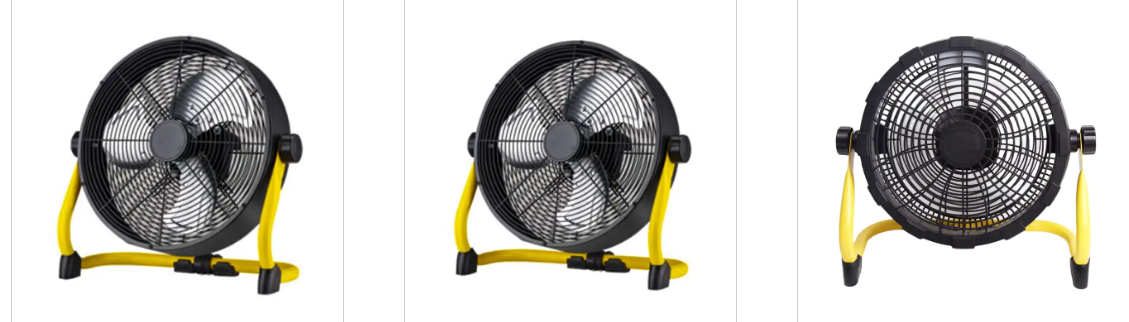
The best camping fan for hot summer trips combines strong airflow, a long lasting rechargeable battery, and a compact body that fits easily into a backpack or car trunk. For most campers, a USB Rechargeable Portable Fan covers everyday cooling needs inside a tent, while an Outdoor High-Velocity floor fan is better suited to open campsites, awnings, and larger group shelters where a wider area needs steady airflow.
An effective outdoor camping fan should offer multiple speed settings, a stable base or hook mount, and enough runtime to last through a warm night without needing to be plugged in. The sections below break down airflow output, battery runtime, noise levels, and the specific features worth checking before choosing a fan for a hot weather trip, along with practical guidance on matching fan size to tent size and group size.
Why a Dedicated Fan Matters for Summer Camping
Tents trap heat quickly once the sun sets on the fabric during the day, and that stored heat radiates back inside long after the temperature outside starts dropping. Natural cross ventilation through mesh windows helps, but on still nights with little wind, air inside a tent can stay noticeably warmer than the air outside. A rechargeable camping fan keeps air moving across the body, which speeds up evaporative cooling from sweat and makes a warm tent feel considerably more comfortable even without lowering the actual air temperature.
Beyond comfort, steady airflow also helps reduce condensation buildup on tent walls during humid nights, since moving air limits the pockets of still, moisture heavy air that tend to form in closed corners. This is one reason a portable camping fan is often listed alongside sleeping bags and pads as a core piece of warm weather camping gear rather than an optional accessory.
Types of Camping Fans
Camping fans generally fall into three practical categories, each built around a different use case. A USB Rechargeable Portable Fan is designed for close range personal cooling and easy charging from a power bank, vehicle outlet, or wall adapter. A hanging or clip style tent fan mounts to a loop or pole inside the tent, freeing up floor space while directing airflow across the sleeping area. An Outdoor High-Velocity floor fan is built for open air use around a campsite, picnic table, or awning, prioritizing airflow volume over compact size.
| Fan Type | Power Source | Typical Best Use |
|---|---|---|
| USB Rechargeable Portable Fan | Built in battery, USB charging | Personal cooling, tent interior |
| Hanging Tent Fan | Built in battery or USB | Overhead airflow, saves floor space |
| Outdoor High-Velocity Floor Fan | Rechargeable battery pack | Open campsites, awnings, group areas |
Airflow Output by Camping Fan Type
Airflow output is usually the biggest practical difference between a compact personal fan and a floor standing outdoor unit. A small clip fan is designed for close range comfort and does not need to move a large volume of air, while an outdoor rechargeable fan built for open air use relies on a larger blade and stronger motor to push air across a wider space.
Chart 1. General reference for airflow output across common camping fan types, shown in cubic feet per minute
For a single sleeping bag inside a small tent, output in the 15 to 30 cfm range is usually enough to keep air moving comfortably. For a family tent, a shared canopy, or a group sitting area, an Outdoor High-Velocity floor fan in the 50 cfm and above range tends to cover the space more evenly, especially when placed a short distance away rather than directly next to one person.
Battery Runtime by Speed Setting
Runtime is one of the most searched details for any battery operated camping fan, since a fan that dies partway through the night defeats the purpose of bringing one along. Runtime drops noticeably as speed increases, because higher fan speeds draw more current from the battery per hour of use.
Chart 2. General reference for battery runtime by fan speed setting, shown in hours on a full charge
Can a Camping Fan Run All Night
Whether a camping fan can run all night depends almost entirely on which speed it runs at and the size of its battery. Running on low speed, many rechargeable camping fan models can comfortably last through an eight hour night, while running continuously on high speed will typically drain the same battery well before sunrise.
Chart 3. General pattern of remaining battery percentage over an eight hour overnight session at low versus high speed
A practical habit among frequent campers is starting the night on medium speed while falling asleep, then switching to low speed once temperatures drop later in the night, which stretches runtime without giving up airflow during the warmest hours right after sunset. Pairing the fan with a small external power bank is another common way to extend an outdoor camping fan through a longer trip without access to wall power.
USB Portable Fan Versus High-Velocity Floor Fan
Choosing between a compact personal fan and a larger floor standing unit comes down to a handful of practical tradeoffs. The radar chart below compares a USB Rechargeable Portable Fan against an Outdoor High-Velocity floor fan across five factors campers commonly weigh before a trip.
Chart 4. General comparison of a USB rechargeable portable fan and an outdoor high-velocity floor fan across five practical factors
A USB Rechargeable Portable Fan tends to score higher on portability, battery efficiency, and quiet operation, which fits its role as a close range personal cooling tool. An Outdoor High-Velocity floor fan trades some of that portability for stronger airflow power, making it the better pick for open sitting areas where several people need cooling at once rather than a single sleeping spot.
Key Features Worth Checking Before You Buy
A handful of build details make a noticeable difference in how well a camping fan holds up to outdoor use over repeated trips.
Practical Build Features
- Power bank support: lets the fan share charge with a phone or accept charge from a portable power bank
- Metal housing: adds durability against drops, dust, and rough handling in a pack
- 300mm fan blade: a larger blade diameter that supports stronger, steadier airflow
- Hook design: allows the unit to double as a hanging camping fan from a tent loop or pole
- Multiple speed settings: lets airflow be matched to the temperature and time of night
A camping fan with LED light adds a secondary use case for evening tasks around the tent, such as reading, cooking cleanup, or finding items inside a dark shelter, without needing a separate flashlight running down its own battery.
What Size Camping Fan Should You Buy
Sizing a fan to the space is mostly about matching blade size and airflow output to how many people are sleeping in the shelter and how open the space is. A solo backpacker in a one person tent generally does well with a compact USB camping fan, since the sleeping area is small and close range airflow is enough. A couple or small family in a larger dome tent usually benefits from a hanging tent fan rechargeable model positioned centrally, since overhead placement spreads air more evenly across multiple sleeping bags.
For group campsites with a shared canopy, picnic table, or cooking area, an Outdoor High-Velocity floor fan is generally the better fit, since it is designed to move air across a wider open space rather than a single enclosed sleeping area. As a simple starting rule, match blade size and airflow rating to room volume rather than tent floor area alone, since taller shelters need more airflow to feel the same effect as a lower profile tent of similar footprint.
Noise Levels and Sleep Comfort
Fan noise becomes especially noticeable at night in a quiet campsite, which is why quiet operation is a common priority alongside airflow output. Smaller USB Rechargeable Portable Fan models generally run quieter on low and medium speed settings, since smaller blades and lower motor draw produce less air turbulence noise. Larger high-velocity units tend to be louder at their highest settings, which is one reason many campers run a larger fan on a lower speed overnight and reserve the higher settings for daytime use around the site.
Placing a fan on a stable, padded surface rather than directly on a hard tent floor also reduces vibration noise that can otherwise carry through the tent structure. This small adjustment often makes a bigger difference to perceived noise than the fan specification sheet alone would suggest.
Care and Maintenance Tips
- Wipe down the blades and housing after trips near sand, dust, or wet grass
- Store the fan with a partial charge rather than fully empty during long off season storage
- Check the hook or clip mechanism for wear before relying on it to hold the fan overhead
- Avoid leaving the fan in direct sun for extended periods when not in use
- Keep the charging port covered or dry when camping near rain or high humidity
Following a simple routine like this helps a rechargeable camping fan hold its runtime and airflow performance consistently across many seasons of outdoor use rather than degrading quickly after a single rough trip.
Sourcing Camping Fans From a Manufacturing Company
Retailers, outdoor gear brands, and distributors looking to bring a camping fan line to market typically look for a manufacturing partner with in house engineering and production capability rather than working through multiple resellers. Ningbo Shuaige Electric Appliance Co., Ltd. is a China based USB Rechargeable Portable Fan manufacturer and OEM ODM Outdoor High-Velocity floor fan company, covering a production site of 20000 square meters.
With over 15 years of experience in the category, the factory has grown into an OEM production partner for a range of international outdoor and appliance brands. Continued investment in research and development, paired with an internal focus on quality control throughout production, has supported long term and repeat orders from customers across Europe, Southeast Asia, East Asia, the Middle East, South Africa, Oceania, and South America.
For businesses developing their own outdoor camping fan product line, working with a manufacturer that already handles design, tooling, and assembly internally generally shortens development timelines compared with coordinating several separate suppliers for motor, battery, and housing components.
Frequently Asked Questions
What Is the Best Camping Fan
The best camping fan depends on how you camp. A USB Rechargeable Portable Fan suits solo trips and small tents, while an Outdoor High-Velocity floor fan suits group sites and open shelters.
How Long Do Camping Fans Last
Runtime depends on speed setting, typically ranging from around four hours on the highest setting to twenty hours or more on the lowest setting on a full charge.
Are Camping Fans Worth It
For hot weather trips, a camping fan is generally considered a practical addition since it improves comfort and helps reduce condensation buildup inside the tent overnight.
Can a Camping Fan Cool a Tent
A camping fan does not lower air temperature directly, but moving air speeds up evaporative cooling on skin, which makes a warm tent feel noticeably more comfortable.
How Do Rechargeable Camping Fans Work
They use a built in battery charged through a USB port before the trip, then run the motor from that stored charge without needing a wall outlet at the campsite.
What Size Camping Fan Should I Buy
Match the fan to your shelter size. A small tent or solo trip suits a compact portable fan, while a larger tent or shared site suits a higher airflow floor fan.
Are Battery Operated Camping Fans Better Than USB Fans
Many current models combine both, using a rechargeable internal battery charged through USB, which offers the convenience of disposable batteries with the lower ongoing cost of recharging.
Can a Camping Fan Run All Night
On a low speed setting, many rechargeable camping fans can run for a full eight hour night, while high speed settings typically drain the battery faster.
Which Camping Fan Is the Quietest
Smaller USB Rechargeable Portable Fan models running on low to medium speed are generally the quietest option, since smaller blades produce less air turbulence noise.
What Is the Best Camping Fan With LED Light
A camping fan with LED light works well when it offers separate controls for fan speed and light brightness, so the light can be used without running the motor.
Can Camping Fans Charge Phones
Models with power bank support can share stored charge with a phone through a secondary USB output, though this will reduce the fan own remaining runtime.

-
Feedback
Related products



Copyright© Ningbo Shuaige Electric Appliance Co., Ltd. All Rights Reserved
