

 EN
EN  English
 Deutsch
 中文简体
中文简体 Author: Admin Date: 2026-08-20
What Is a Fan Forced Heater? How It Works, Safety Features & Buying Guide
A fan forced heater is a space heater that uses a built-in fan to push room air across a heating element, delivering warm air within seconds. Instead of waiting for heat to rise naturally as it does with an oil radiator, a fan forced heater actively circulates hot air, which is why it is the most common portable heating technology for bedrooms, offices and small living spaces. The practical conclusion for most buyers is simple: if you want noticeable warmth without a 20-minute wait, a fan forced heater is the right type of heater for you.
Content
- 1 How a Fan Forced Heater Works
- 2 PTC Ceramic vs. Metal Wire Elements
- 3 Efficiency and Warm-up Speed
- 4 Types of Fan Forced Heaters
- 5 Safety Features That Matter
- 6 How to Choose a Fan Forced Heater
- 7 Frequently Asked Questions about Fan Forced Heaters
- 7.1 Is a fan forced heater energy efficient?
- 7.2 Are fan forced heaters safe to leave on overnight?
- 7.3 What size room can a fan forced heater warm?
- 7.4 What is the difference between a fan heater and a convection heater?
- 7.5 Do ceramic fan heaters use a lot of electricity?
- 7.6 How long does a fan forced heater last?
How a Fan Forced Heater Works
Every fan forced heater, regardless of price or shape, follows the same operating sequence:
- An intake grille on the rear or side of the cabinet lets cool room air enter.
- A small axial fan, typically driven by a 30–60 W motor, pulls that air into the heater body.
- The air passes through a heating element; in modern units this is almost always a PTC ceramic block with a honeycomb channel structure.
- The heated air leaves through front louvers at a surface temperature of roughly 40–60 °C.
- A thermostat samples the return air and cycles the element on or off to hold the selected temperature.
The heart of the system is the PTC element. PTC stands for Positive Temperature Coefficient: the electrical resistance of the ceramic rises sharply as temperature increases, so at roughly 260 °C the element becomes electrically self-limiting and physically cannot get hotter. The PTC core is also why a modern ceramic heater can start delivering warm air in about one second, a speed no old metal-wire heater can match.
Isometric cutaway view of a typical PTC fan forced heater. Components are simplified and not to scale.
PTC Ceramic vs. Metal Wire Elements
For decades, fan heaters relied on bare nichrome (NiCr) wire coiled around mica frames. PTC ceramic has almost completely replaced it: it is safer, lasts longer and costs little more to manufacture. The table below sums up the differences.
| Property | PTC Ceramic | NiCr Wire |
|---|---|---|
| Maximum surface temperature | ~260 °C, self-limiting | 500–650 °C |
| Overheat risk | Low by design | Higher; depends on safety cut-outs |
| Time to full heat output | 3–5 seconds | 20–60 seconds |
| Steady-state power draw | Reduces automatically | Constant at rated wattage |
| Typical element life | 10,000+ hours | 3,000–5,000 hours |
For the buyer, the practical effect is simple: a PTC-based fan forced heater runs cooler on the outside, cycles less often and removes the worst failure mode of old heaters, which is a glowing wire igniting dust.
Efficiency and Warm-up Speed
Fan forced heaters are not magic: they convert electrical energy into heat with an efficiency close to 98–99%, exactly like other electric heaters. Their real advantage is speed and distribution. In comparative tests of 1,500 W-class units in a 20 m² room, the PTC fan forced type reached stable comfort in about 6 minutes, while convection panels took roughly 18 minutes and oil columns about 25.
Illustrative comparison based on typical manufacturer test data for 1,500 W-class heaters.
Part of that perceived speed is the forced-convection effect. Moving air strips the cold boundary layer from your skin, so you feel comfortable at a lower average room temperature. The second benefit is mixing: a fan forced heater reduces the floor-to-ceiling temperature gap from about 4–6 °C in a convection-heated room to roughly 1–2 °C.
Example temperature curves under thermostatic control; the fan forced heater reaches the set point sooner and holds it with less overshoot.
Types of Fan Forced Heaters
Fan forced heaters are available in three dominant form factors, each suited to a specific room layout.
Portable heat for desks and bedrooms
Compact portable models in the 600–1,500 W range are the best-selling category. They are light enough to move between rooms, small enough to store in a closet and usually the cheapest way to heat a 10–15 m² space. In the portable category, prefer a model with a mechanical dial and a stable base, such as this compact 1,500 W portable PTC fan heater, because fewer electronic parts normally means a longer service life.
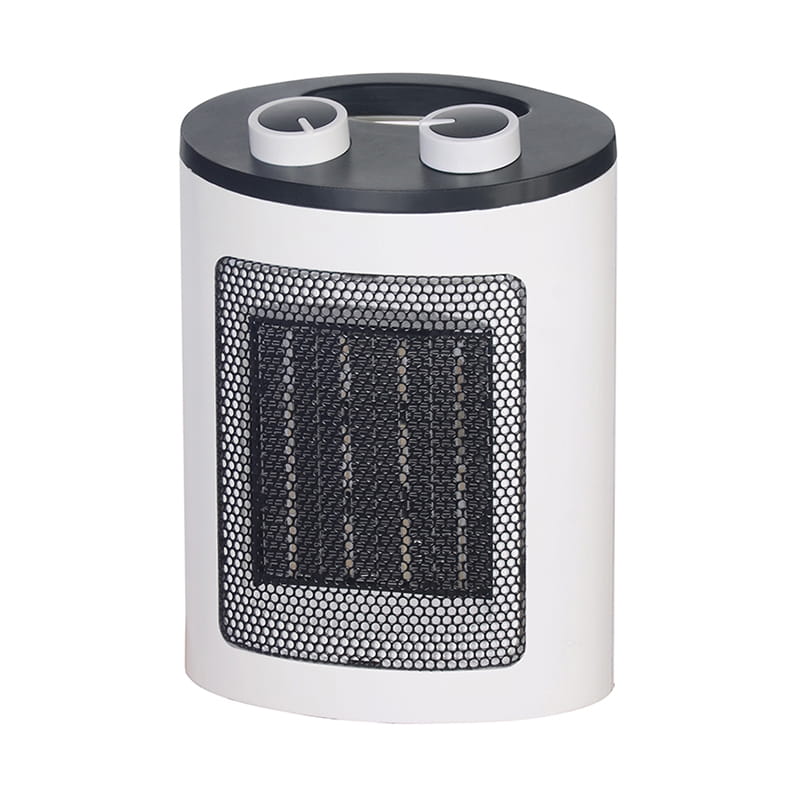 Wholesale 1500W Samll Size Mechanical Control Home Heater Suppliers, Factory - NNingbo Shuaige Electric Appliance Co., Ltd is China OEM 1500W Samll Size Mechanical Control Home Heater suppliers and ODM 1500W Samll Siz...View Product →
Tower models for living areas
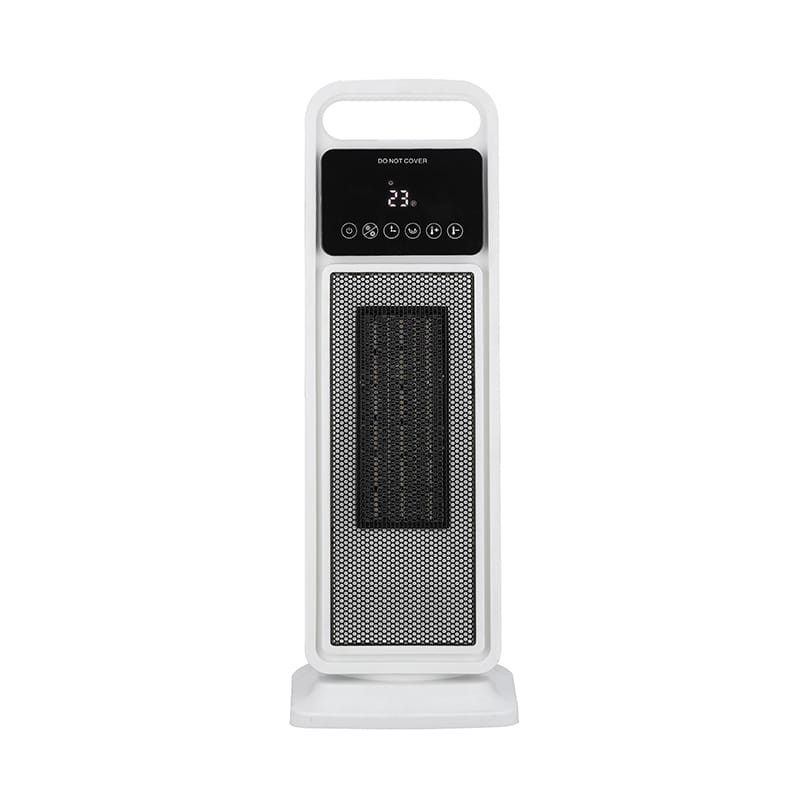
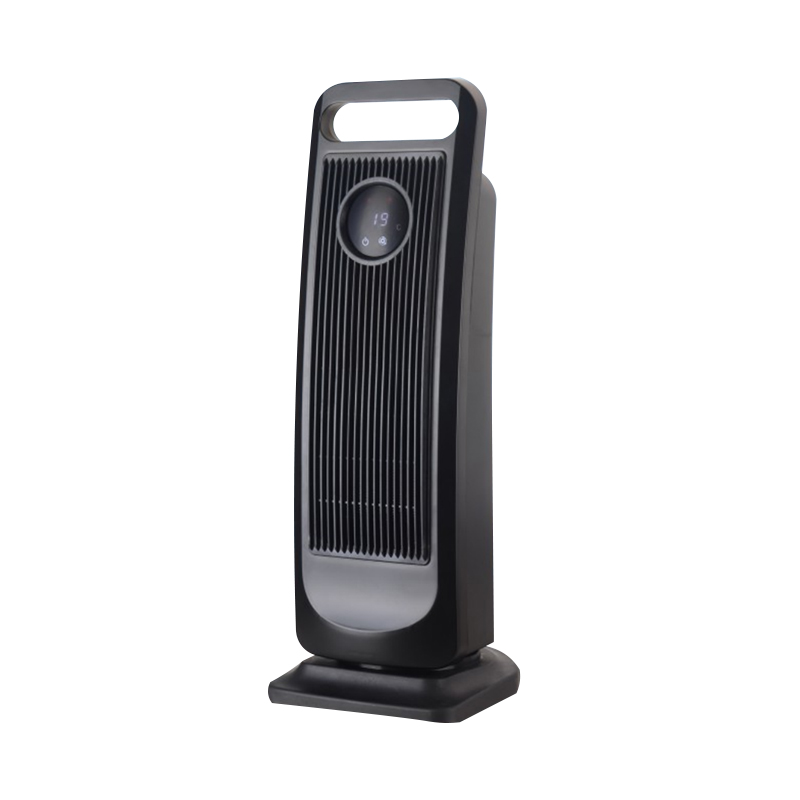
Tower fan forced heaters run from 1,500 to 3,000 W. Their tall, narrow cabinet produces a wider vertical air jet, and most include oscillation and a remote control, distributing warmth across a 15–25 m² living room. For example, the fast-heating tower fan heater with practical mechanical controls keeps the simple dials that many buyers prefer over digital menus.
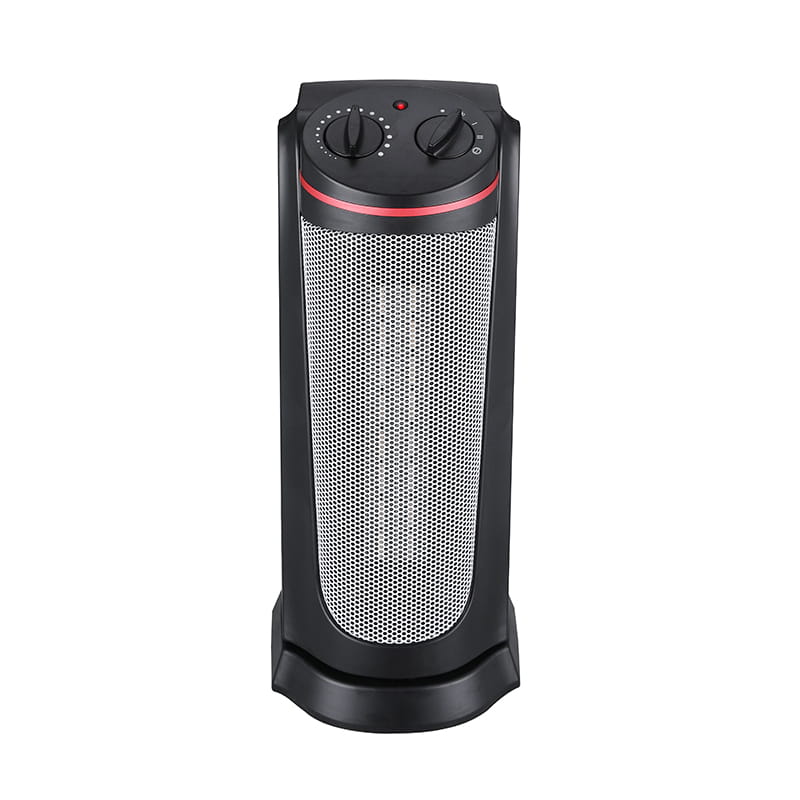 Wholesale Fast Heating Tower Fan Heater With Mechinical Control Suppliers, FactNingbo Shuaige Electric Appliance Co., Ltd is China OEM Fast Heating Tower Fan Heater With Mechinical Control suppliers and ODM Fast Hea...View Product →
Wall-mounted units to free the floor
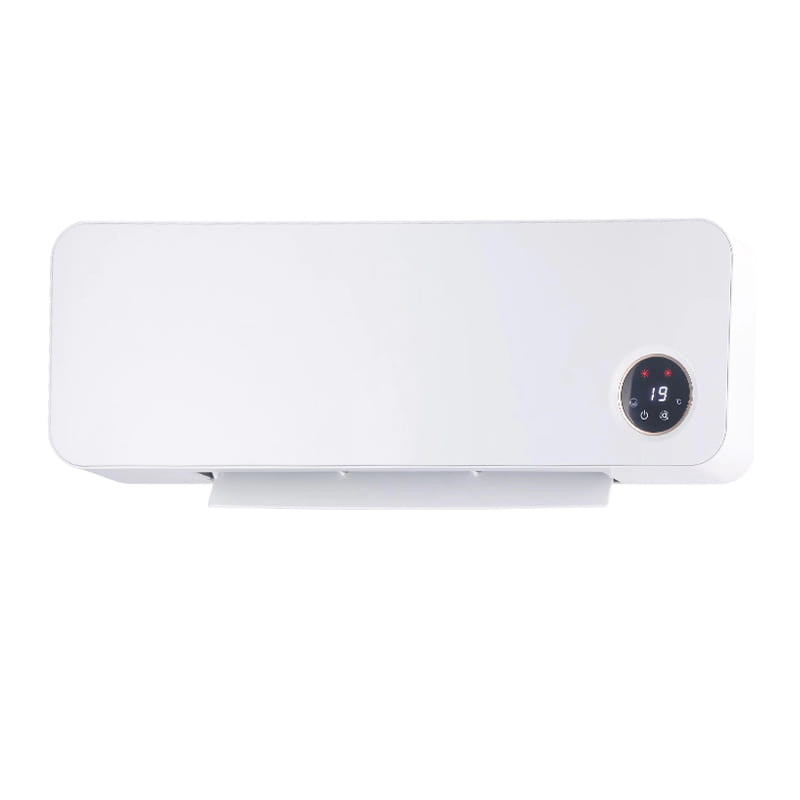
Wall-mounted ceramic fan heaters fix firmly to the wall at a height where warm air mixes best, usually 30–50 cm above the floor. They are common in garages, workshops, bathrooms and compact rental rooms. If floor space is tight, a wall-mounted ceramic fan heater such as the PTC3010R keeps the room tidy and the heat up where it matters.
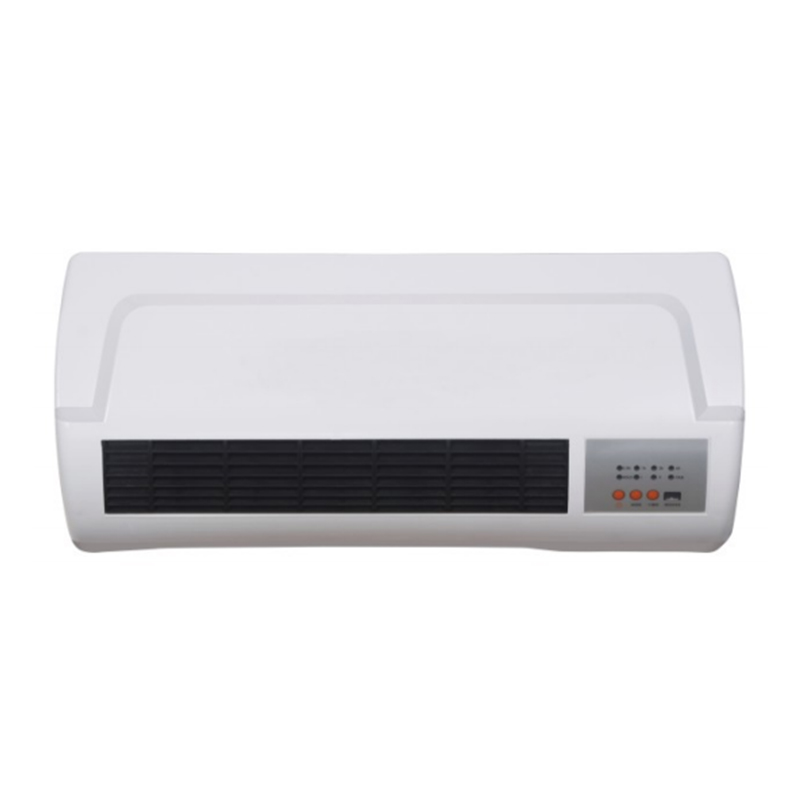 Wholesale Fast Heating Intelligent Wall-Mounted/Desktop Dual-Purpose Heater SuppNingbo Shuaige Electric Appliance Co., Ltd is China OEM Fast Heating Intelligent Wall-Mounted/Desktop Dual-Purpose Heater suppliers and O...View Product →
Safety Features That Matter
Modern fan forced heaters carry a layered set of protections, and any unit you buy should include at least these four:
- A tip-over switch cuts power the moment the heater tilts past about 30 degrees.
- An overheat thermal fuse breaks the circuit if airflow is blocked or the element exceeds its safe limit.
- A self-limiting PTC element physically cannot exceed roughly 260 °C, so it does not depend only on electronics.
- A cool-touch housing keeps external surfaces below the 60–70 °C range, protecting children and pets.
Certifications convert these features into audited guarantees. On the European market, look for the CE mark and, for additional confidence, GS certification, which involves independent testing and regular factory inspections. Heaters carrying these marks must also pass IEC 60335-1 and IEC 60335-2-30 safety standards.
How to Choose a Fan Forced Heater
Choosing a fan forced heater is mostly a matter of matching power to room size, then deciding which convenience features are worth paying for.
| Room area | Recommended power | Typical heater type |
|---|---|---|
| Up to 10 m² | 600–1,000 W | Mini portable |
| 10–15 m² | 1,500 W | Portable fan heater |
| 15–25 m² | 2,000–2,500 W | Tower heater |
| 25–35 m² | 2,500–3,000 W | High-power tower or wall unit |
Beyond size, evaluate three things at the point of purchase: noise level (good units stay below about 45 dB at low speed), control style (mechanical dials are robust; digital controls add timers and precise thermostats) and oscillation (helpful for rooms wider than 4 metres). For year-round value, some tower models also double as a cool-air fan in summer.
Frequently Asked Questions about Fan Forced Heaters
Is a fan forced heater energy efficient?
Yes, for spot and short-duration heating, it converts over 98% of electricity into heat and switches off once the set temperature is reached. Because it warms the room in about 6 minutes, the total run time is usually lower than for a radiant or oil heater.
Are fan forced heaters safe to leave on overnight?
Modern PTC models with a tip-over switch and overheat cutoff are generally safe on a low setting. Keep the heater on a stable surface, away from curtains and bedding, and confirm it carries CE or GS certification.
What size room can a fan forced heater warm?
As a rule of thumb, 1,500 W warms about 10–15 m², and 2,000–2,500 W covers 15–25 m². Active fan circulation spreads heat into corners better than still-air radiators of the same wattage.
What is the difference between a fan heater and a convection heater?
A convection heater depends on natural air rising and falling, so it is silent but slow. A fan forced heater adds a motor-driven fan that moves air through the element directly, warming the room 2–3 times faster with a light hum.
Do ceramic fan heaters use a lot of electricity?
They draw full wattage while heating, usually 600–2,000 W, but the thermostat cycles the element, so average consumption is lower than the rated maximum. A 1,500 W model running 4 hours cannot exceed 6 kWh and typically uses less.
How long does a fan forced heater last?
PTC heating cores are commonly rated for 10,000+ operating hours, equal to 6–8 winter seasons of daily use. The fan motor and switch wear first; choosing a model from a manufacturer with spare parts and OEM service extends useful life.

-
Feedback
Related products



Copyright© Ningbo Shuaige Electric Appliance Co., Ltd. All Rights Reserved
