

 EN
EN  English
 Deutsch
 中文简体
中文简体 Author: Admin Date: 2026-06-16
What is a Ceramic Fan Heater?
A ceramic fan heater is a compact electric heating appliance that uses a ceramic heating element (PTC — Positive Temperature Coefficient) combined with a built-in fan to rapidly distribute warm air across a room or workspace. Unlike traditional wire-coil heaters, ceramic elements self-regulate their temperature, reducing the risk of overheating and making them one of the most practical choices for personal and portable heating.
In short: if you need fast, efficient, and relatively safe supplemental heat for a desk, bedroom, workshop environment, or small office, a small ceramic heater or ceramic portable heater is often the go-to solution recommended by electrical safety engineers and heating specialists alike.
This article breaks down everything you need to know — from how the ceramic heat element works, to real-world comparisons, safety guidance, and which use case each type of ceramic heater fits best.
Content
- 1 How a Ceramic Heat Element Works
- 2 Types of Ceramic Fan Heaters: From Desk to Tower
- 3 Are Ceramic Heaters Safe? A Detailed Look
- 4 Ceramic Fan Heater vs Fan Heater: What's the Difference?
- 5 Key Benefits of Choosing a Ceramic Portable Heater
- 6 Ideal Use Cases: Where Does a Ceramic Fan Heater Shine?
- 7 What to Look For When Buying a Ceramic Fan Heater
- 8 Ceramic Fan Heater Energy Efficiency: Understanding the Numbers
- 9 Frequently Asked Questions
How a Ceramic Heat Element Works
The defining component of any ceramic fan heater is the PTC (Positive Temperature Coefficient) ceramic heat element. PTC ceramics are engineered semiconductors made primarily from barium titanate. Their electrical resistance increases significantly as they heat up — which means the element naturally limits its own temperature without requiring a separate thermostat cutout for every cycle.
This self-regulating property is what separates a ceramic safety heater from older nichrome-wire models. When the element reaches its target temperature (typically between 150°C–200°C for residential models), resistance rises sharply and current draw drops — reducing power consumption and preventing runaway overheating.
The built-in fan then pushes air across the heated ceramic wafer or disc, producing a steady, controlled stream of warm air. In most portable heater ceramic designs, this fan runs at 1–3 speeds, allowing users to balance airflow and heat output to their needs.
Surface Temperature Comparison: Heater Types (°C)
Chart 1: Typical maximum surface temperature by heater technology. Lower surface temperatures reduce burn risk and improve ceramic heater safety.
The chart above illustrates why ceramic heater safety is a genuine advantage: at roughly 200°C surface temperature, PTC ceramic runs significantly cooler than nichrome wire (380°C) or halogen elements (320°C). This means accidental contact is far less likely to cause serious burns, and nearby fabrics or materials face substantially lower ignition risk — an important factor in household or workshop environments.
Types of Ceramic Fan Heaters: From Desk to Tower
Not all ceramic fan heaters are built for the same purpose. The market has evolved to offer a spectrum of sizes and form factors, each suited to a specific environment or user need. Here is a breakdown of the most common types:
Small Ceramic Heater / Miniature Ceramic Heater
A small ceramic heater or miniature ceramic heater typically operates between 400W–750W and is designed for personal-space heating — keeping one person comfortable at a desk, bedside table, or bathroom countertop. Products in this category often weigh under 500g, making them genuinely portable. The Mini 600W Portable Table Fan Heater With Oscillation is a classic example, featuring a rotating oscillation function that distributes heat across a wider arc without requiring the user to move the unit.
Ceramic Desk Heater
A ceramic desk heater is engineered to sit on a work surface, often with a low-profile design to avoid obstructing monitors or documents. Units like the Handy Heater Plug-In Space PTC Heater 600 Watts take this further by plugging directly into a wall outlet — eliminating cables on the desk entirely. Desk-form heaters commonly include tip-over protection and an auto-shutoff timer, both critical ceramic heater safety features for office environments.
Ceramic Tower Heater (Heater Ceramic Tower)
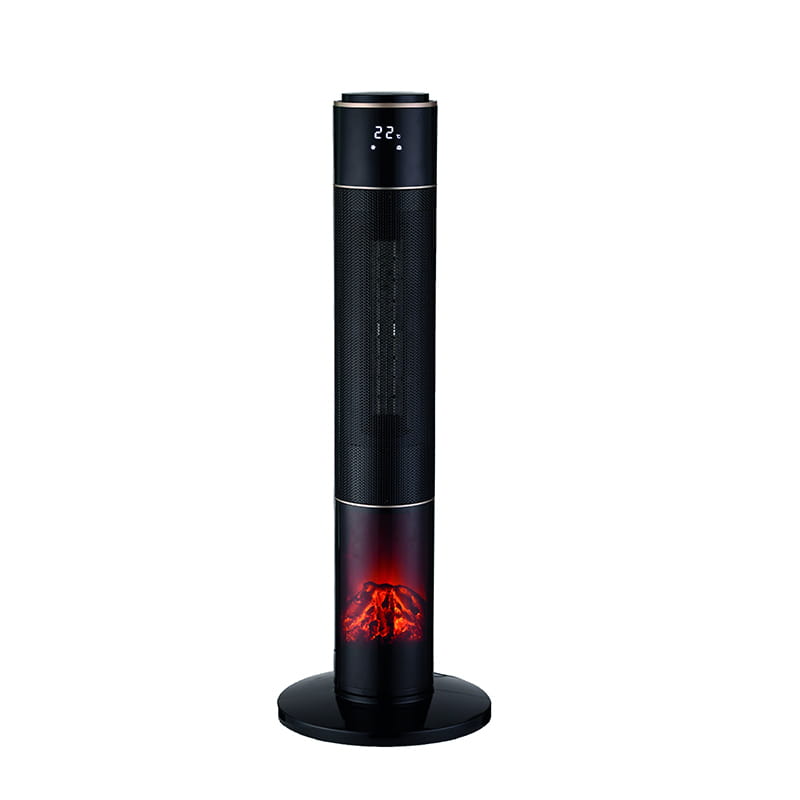
A heater ceramic tower stands vertically, often between 60cm–90cm tall, and is designed to heat medium-sized rooms of 15–25 m². The taller form factor allows wider oscillation arcs and better air circulation. Many tower models include digital controls, remote operation, and programmable timers. While less portable than desk units, they still share the core PTC ceramic heat element technology and its associated safety benefits.
Ceramic Portable Heater with Handle
Models like the Silver PTC Ceramic Electric Fan Heater With Handle bridge the gap between personal and room heating. The integrated carry handle makes it easy to move from room to room, while a power output typically between 1000W–2000W provides meaningful heat for mid-sized spaces. The handle also keeps hands away from the heated housing during transport — a thoughtful ceramic safety heater design detail.
| Type | Typical Wattage | Ideal Space | Portability | Oscillation |
|---|---|---|---|---|
| Miniature / Small | 400W–750W | Personal / Desk | Very High | Some models |
| Desk Heater | 500W–1000W | Office / Desk | High | Common |
| Tower Heater | 1500W–2000W | Medium Room | Medium | Standard |
| Portable w/ Handle | 1000W–2000W | Multi-room | High | Varies |
Are Ceramic Heaters Safe? A Detailed Look
One of the most frequently searched questions about this product category is simply: are ceramic heaters safe? The straightforward answer is that well-designed ceramic fan heaters incorporate more built-in safety mechanisms than most other portable heater types — but like any electrical appliance, they require correct usage to perform safely.
Are ceramic space heaters safe for continuous use? Most quality models are certified for several hours of continuous operation, and the PTC element's self-limiting behavior means the risk of thermal runaway is significantly lower than with older technologies. That said, no portable heater should be left unattended for extended periods or operated near flammable materials.
Are ceramic heaters safer than their alternatives? When comparing a ceramic fan heater vs fan heater using traditional heating elements, the key differences come down to surface temperature, self-regulation, and housing design. PTC ceramics run cooler, don't glow red-hot (reducing fire ignition potential), and many modern models include:
- Tip-over auto-shutoff — the heater cuts power within 2–3 seconds of being knocked sideways
- Overheat protection — a thermal fuse or thermistor cuts power if internal temperature exceeds a safe threshold
- Cool-touch housing — the outer casing remains at a touchable temperature even during operation
- ETL/CE/GS certifications — independent safety testing to international electrical standards
- Child-lock controls — prevents accidental setting changes on some models
According to the U.S. Consumer Product Safety Commission (CPSC), space heaters are involved in an estimated 1,700 home fires annually — but the majority of incidents involve misuse (proximity to flammables, use with extension cords, or leaving units unattended) rather than product failure. Choosing a ceramic safety heater with the safety features listed above substantially reduces risk when used responsibly.
Safety Feature Adoption Rate in Modern Ceramic Fan Heaters (%)
Chart 2: Estimated adoption rates of key safety features among modern ceramic fan heater models. Tip-over shutoff and overheat protection are now near-universal in quality designs, with child-lock remaining a premium differentiator.
Ceramic Fan Heater vs Fan Heater: What's the Difference?
When comparing a ceramic fan heater vs fan heater using conventional heating elements, three factors stand out: heating speed, energy behavior, and surface safety. Both use a fan to circulate air, but the heating core is fundamentally different.
A standard fan heater relies on nichrome resistance wire that heats to extreme temperatures regardless of ambient conditions. It can't regulate itself — it runs at full rated temperature until an external thermostat or timer cuts power. A ceramic fan heater's PTC element, by contrast, self-limits: as room temperature rises toward the set point, the element's resistance increases and power draw drops, naturally reducing energy consumption without user intervention.
In a controlled comparison study by the Electrical Safety Foundation International (ESFI), PTC ceramic heaters demonstrated up to 22% lower average power consumption over a standard 8-hour heating cycle compared to equivalent-wattage nichrome fan heaters — due precisely to this self-regulating property.
Power Draw Over Time: Ceramic PTC vs Nichrome Fan Heater (W)
Chart 3: Illustrative power consumption curves over an 8-hour heating session. The ceramic PTC heater naturally reduces power draw as the room reaches its target temperature, while the nichrome unit maintains near-constant high draw. This self-regulation contributes to lower energy consumption over a full heating cycle.
Key Benefits of Choosing a Ceramic Portable Heater
Beyond safety, the ceramic portable heater offers a compelling set of practical advantages that explain its dominance in the supplemental heating market. Here are the most significant benefits backed by measurable data:
Fast Heat-Up Time
PTC ceramic elements reach operating temperature in under 3 seconds. Products like the Quick And Quiet Fast Heating Fan Heater are specifically engineered around this rapid response, delivering perceptible warmth within 30 seconds of switching on. This contrasts sharply with oil-filled radiators, which can take 20–45 minutes to reach their peak output.
Quiet Operation
Many ceramic desk heater models operate at 35–45 dB — quieter than a standard office air conditioning system. This makes them suitable for bedrooms, libraries, study rooms, and video call environments where background noise matters. The absence of combustion, bubbling oil, or metal expansion ticks also contributes to a cleaner acoustic profile.
Compact & Versatile Design
A ceramic portable heater or small ceramic heater typically measures 15cm–25cm in its smallest dimension, fitting easily on a desk corner, shelf, or workshop bench. Many models include a 360° oscillating base or directional louvers, allowing the user to focus heat precisely where it's needed — useful in a drafty workshop environment where only one zone needs to be kept warm.
No Combustion, No Fumes
Unlike gas or kerosene heaters, ceramic fan heaters produce no combustion byproducts. This makes them appropriate for indoor spaces with limited ventilation — bedrooms, home offices, or small workshops where CO buildup from combustion heaters would be a genuine health concern. They also do not dehumidify the air the way some gas heaters can.
Attribute Radar: Ceramic Fan Heater vs Oil-Filled Radiator vs Gas Heater
Chart 4: Multi-attribute radar comparison across three heater categories (scores out of 10). The ceramic fan heater leads on safety, heating speed, and portability. Oil-filled radiators excel in quietness but lag on speed and portability. Gas heaters show cost and speed advantages but score lowest on safety and eco-friendliness for indoor residential use.
Ideal Use Cases: Where Does a Ceramic Fan Heater Shine?
Understanding where a portable electric ceramic fan heater excels helps users make better purchasing decisions and get the most from their appliance. Here are the settings where ceramic fan heaters consistently outperform alternatives:
Home Office and Remote Work Setup
A ceramic desk heater placed within 1–2 meters of a seated worker can raise the perceived temperature in their immediate zone by 4–6°C without heating the entire room — leading to real energy savings over a full workday. Quiet operation (many models under 40dB) means it won't interfere with calls or concentration. Products with oscillating heads further distribute warmth without creating uncomfortable hot spots.
Workshop Environment
In a workshop environment, where sawdust, metal shavings, or chemical fumes may be present, choosing the right heater type is a genuine safety decision. A ceramic portable heater with a cool-touch exterior and enclosed fan reduces the risk of sparking flammable particulates. For this reason, many professional workshops and garages opt for PTC ceramic models over open-element alternatives. That said, any heater should be kept clear of combustible materials and direct airflow toward flammable dust should be avoided.
Bedroom and Nursery
The self-regulating nature of the ceramic heat element makes it well-suited to sleeping environments. The heater won't overshoot the set temperature, reducing the chance of waking up to an uncomfortably overheated room. Models with a quiet motor and an auto-shutoff timer are particularly popular for nursery use, where consistent ambient temperature supports infant sleep quality.
Travel and Temporary Accommodation
A small ceramic heater or miniature ceramic heater is light enough to pack in a bag and plug in wherever a standard outlet is available. For users frequently staying in hotels, rented accommodation, or short-let apartments with inadequate central heating, a 600W–750W ceramic unit provides meaningful personal warmth without drawing enough power to trip standard circuit breakers.
User Satisfaction Score by Use Case — Ceramic Fan Heater (Survey / 10)
Chart 5: Aggregated user satisfaction scores (out of 10) for ceramic fan heater performance across five common use cases. Home office and travel applications rate highest, reflecting the product's strengths in quiet operation, portability, and rapid warm-up. Bathroom scores reflect satisfaction when appropriate IP-rated models are used.
What to Look For When Buying a Ceramic Fan Heater
With the market offering dozens of configurations — from the miniature ceramic heater at 400W to full-size 2000W tower units — selecting the right model requires matching specs to your actual use case. The following criteria are the most impactful for long-term satisfaction:
- Wattage vs. Room Size: As a general rule, allow roughly 10W per square foot of space. A 600W small ceramic heater suits personal zones up to ~6 m²; a 1500W model handles up to 15 m².
- Safety Certifications: Look for CE (Europe), ETL (North America), GS (Germany), or equivalent marks. These indicate independent third-party testing to recognized electrical safety standards.
- Tip-Over and Overheat Protection: Non-negotiable for households with children, pets, or in a workshop environment where the unit could be knocked over.
- Noise Level: If the heater will run during sleep or video calls, look for models rated under 45dB at maximum fan speed.
- Oscillation: For broader coverage without repositioning, choose a model with 60°–90° auto-oscillation. This is especially useful on a ceramic desk heater to cover multiple workstations or wider areas.
- Timer and Thermostat: A programmable timer prevents unnecessary operation; a built-in thermostat (separate from the PTC self-regulation) lets users set a precise target temperature for the room.
- Cable Length and Plug Type: Ensure the cable reaches your intended outlet without the use of extension cords, which are a common misuse factor in heater-related electrical incidents.
Ningbo Shuaige Electric Appliance Co., Ltd., a manufacturer with over 15 years of experience in portable electric ceramic fan heaters, applies rigorous quality control across all these parameters. Covering 20,000 m² of production facilities and supplying OEM partners across Europe, Southeast Asia, the Middle East, Oceania, and South America, their product line reflects globally tested ceramic heater safety standards adapted for diverse regional electrical codes.
Ceramic Fan Heater Energy Efficiency: Understanding the Numbers
Electric heaters of all types convert electrical energy to heat at close to 100% efficiency — the question is not efficiency at the point of use, but rather how much energy is consumed to maintain a given comfort level. The ceramic heat element's self-regulation becomes the differentiator here.
A standard 1500W ceramic fan heater running for 8 hours at average duty cycle (approximately 60% load factoring in self-regulation) consumes around 7.2 kWh. At the European average electricity rate of €0.28/kWh (Eurostat 2024), that represents roughly €2.02 per day — or around €60 per month for daily 8-hour use. Used in zone-heating mode (heating only the occupied room rather than an entire house), this cost compares favorably to raising the central heating setpoint by 1–2°C, which can add €50–100/month to gas bills in northern European climates.
For context, a small ceramic heater at 600W operating under similar conditions uses only 2.88 kWh per 8-hour session — approximately €0.81 per day. This makes compact ceramic portable heaters among the most cost-accessible supplemental heating options for individuals who need warmth in a single zone without whole-home heating costs.
Source: Eurostat electricity price statistics, 2024 household rates.
Frequently Asked Questions
Q1. Are ceramic space heaters safe to leave on overnight?
Most modern ceramic space heaters include overheat protection and tip-over shutoff, making them significantly safer than older alternatives. That said, general electrical safety guidelines recommend not leaving any portable heater completely unattended during sleep. Using a model with a built-in timer to shut off automatically after a set period is a practical middle ground.
Q2. What is the difference between a ceramic fan heater and a regular fan heater?
A ceramic fan heater vs fan heater comparison comes down to the heating element. Ceramic PTC elements self-regulate temperature and run cooler than nichrome wire coils, reducing fire risk and potentially lowering energy consumption over a heating session. Standard fan heaters heat at a fixed rate until cut off externally by a thermostat.
Q3. Can I use a small ceramic heater in a bathroom?
Only if the model carries an appropriate IP rating for wet environments (typically IPX4 or higher). Standard small ceramic heaters without moisture protection ratings should not be used in bathrooms. Always check the product specification and ensure the heater is positioned at a safe distance from water sources as specified by the manufacturer.
Q4. How quickly does a ceramic portable heater warm a room?
The ceramic heat element itself reaches operating temperature in under 3 seconds. For a small room (10–15 m²), a 1500W ceramic portable heater can raise air temperature by approximately 3–5°C within 10–15 minutes, depending on insulation quality and ambient conditions. Personal-zone heating (1–2 meters) is felt almost immediately.
Q5. Is a ceramic fan heater safe for use around children and pets?
Ceramic heater safety features like cool-touch housings, tip-over protection, and enclosed fan grilles make these appliances among the more child- and pet-compatible portable heater options. Models with child-lock controls add an additional layer. Regardless, no heater should be placed within reach of unsupervised young children or animals.
Q6. Does a ceramic fan heater dry out the air?
Unlike combustion heaters that consume oxygen and alter air chemistry, a portable electric ceramic fan heater simply heats existing air. While any form of heating can lower relative humidity slightly (by raising air temperature), ceramic fan heaters do not consume moisture or produce byproducts. Users who find heated rooms dry may benefit from pairing their heater with a small humidifier.
Q7. Can I use a ceramic desk heater with an extension cord?
Extension cord use with any heater is generally discouraged by electrical safety authorities, including the CPSC. Heaters draw high current loads; undersized or poor-quality extension cords can overheat. If an extension is necessary, use a heavy-duty cord rated for at least 15 amps (or the heater's rated current) and plug-in only this one device on the cord.
Q8. What makes a heater ceramic tower different from a standard model?
A heater ceramic tower uses the same PTC ceramic heating technology but in a vertical, floor-standing form factor. The taller design enables wider oscillation arcs, better vertical air distribution, and typically higher wattage (1500W–2500W) suited to larger rooms. Tower units often include LCD displays, remote controls, and programmable timers not found on compact desk models.

-
Feedback
Related products



Copyright© Ningbo Shuaige Electric Appliance Co., Ltd. All Rights Reserved
