

 EN
EN  English
 Deutsch
 中文简体
中文简体 Author: Admin Date: 2025-12-23
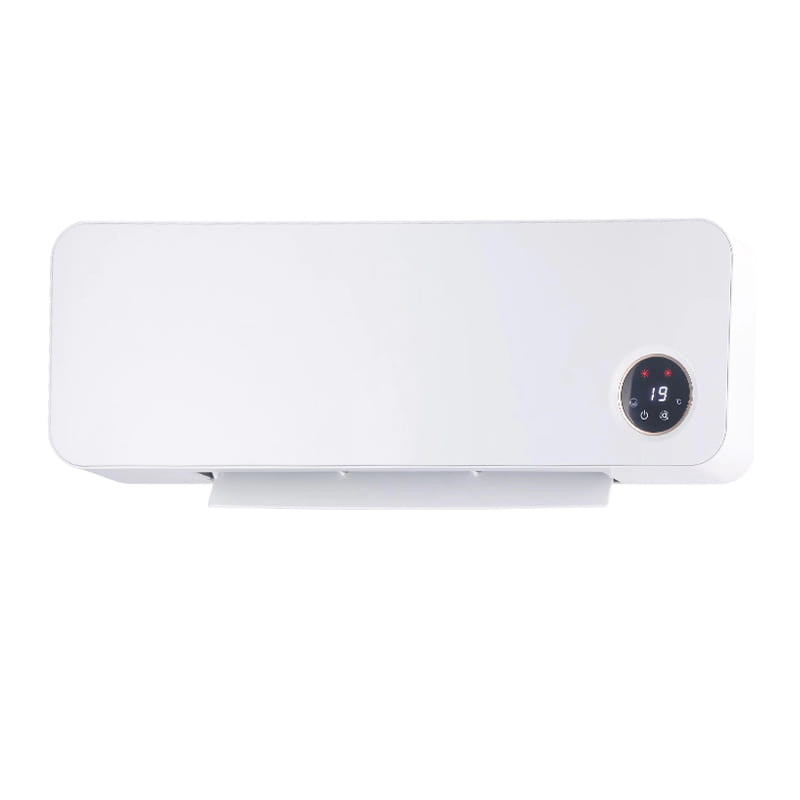
Wall Mounted Ceramic Fan Heater: Is it safe? What precautions should be taken during use?
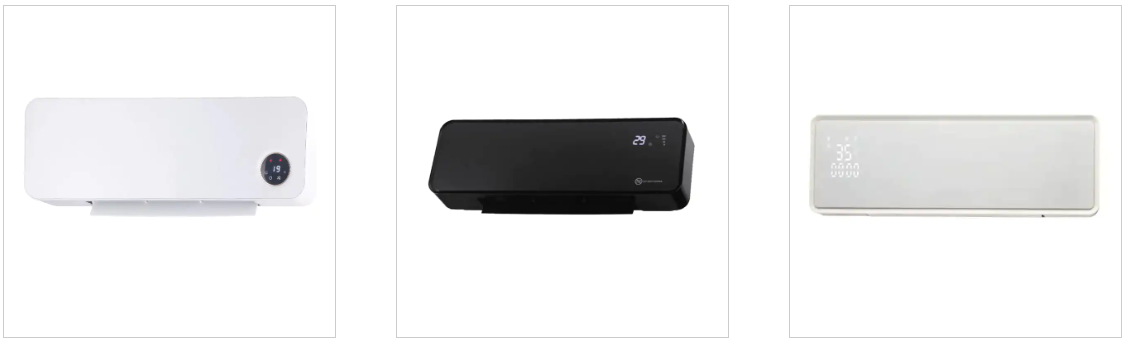
With the arrival of winter, wall-mounted ceramic fan heaters have become a common heating device in many homes and offices. They are popular with consumers due to their convenience, energy efficiency, and rapid heating capabilities. However, any electrical device carries certain safety risks during use, and wall-mounted ceramic fan heaters are no exception. So, are wall-mounted ceramic fan heaters truly safe? What safety precautions should we take during use?
1. How Wall Mounted Ceramic Fan Heaters Work
Before discussing the safety of wall-mounted ceramic fan heaters, it's necessary to understand their working principle. A wall-mounted ceramic fan heater mainly consists of a ceramic heating element and a fan. When operating, the fan quickly blows the heated air into the room to achieve rapid heating. The specific working process is as follows:
Ceramic heating element heating: The wall-mounted ceramic fan heater heats the ceramic element through an electric current. The ceramic material can quickly absorb and store heat, and release the heat into the air through thermal radiation.
Fan accelerates air flow: The fan blows the heated air to all corners of the room, helping the hot air to spread quickly, thus improving heating efficiency.
Temperature control system regulates temperature: Most wall-mounted ceramic fan heaters are equipped with a temperature control system that automatically monitors and regulates the indoor temperature to prevent overheating.
Because the ceramic element heats up quickly and has good thermal stability, wall-mounted ceramic fan heaters usually provide a more even and comfortable heating experience.
2. Safety Analysis of Wall Mounted Ceramic Fan Heaters
Although wall-mounted ceramic fan heaters are widely used and have many advantages, users still need to be aware of potential safety hazards.
(1) Overheating Risk
Any heating device can potentially overheat during prolonged use. Especially in winter, high-load heating conditions can lead to excessively high internal temperatures. Most modern wall-mounted ceramic fan heaters are equipped with overheating protection devices. When the temperature reaches a certain level, the device will automatically shut off to prevent fire. However, if the device's temperature control system malfunctions, or if the device operates for extended periods in a confined, poorly ventilated environment, the risk of overheating increases significantly. Therefore, ensuring the device has good ventilation and regularly checking the temperature control system is crucial.
(2) Electrical Faults
Like any electrical product, wall-mounted ceramic fan heaters are susceptible to electrical faults, especially after prolonged use, as wires and circuits may age or become damaged. Electrical faults can lead to short circuits, fires, or electric shock risks.
To ensure safety, it is recommended to regularly inspect the heater's wires, plugs, and power outlets. If any signs of damage or aging are found, stop using the device immediately and contact a professional repair technician for inspection or replacement.
(3) Safety Concerns for Children and Pets
When there are children or pets in the home, wall-mounted ceramic fan heaters can pose a safety hazard. Although the device itself has safety features such as overheating protection, there is a risk of accidental burns or the device being knocked over if children or pets get too close. Therefore, when using a wall-mounted ceramic fan heater, pay special attention to installing the device at an appropriate height and location to prevent children and pets from coming into contact with it.
(4) Installation Issues
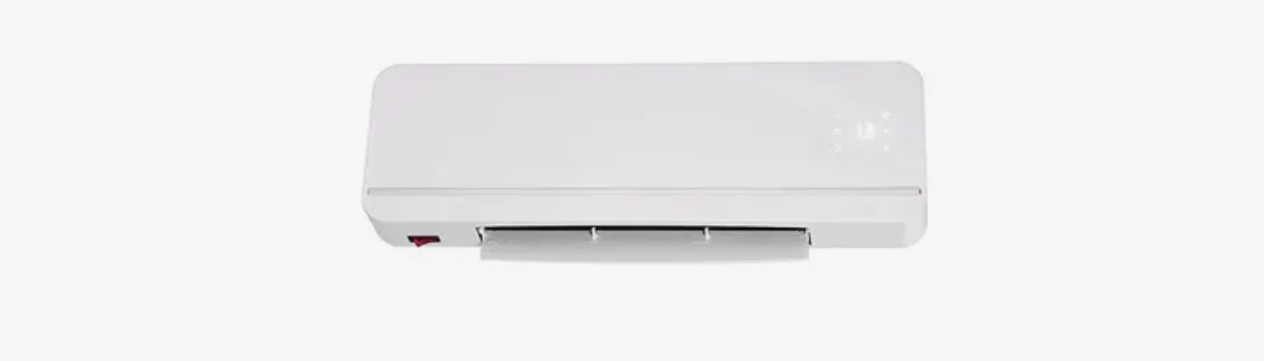
Wall-mounted ceramic fan heaters need to be securely mounted on the wall. If improperly installed, the device may fall, causing damage or injury. Therefore, when installing a wall-mounted ceramic fan heater, be sure to follow the instructions in the manual to ensure the device is stable and avoid hanging it in places where collisions are likely to occur.
3. Safety Precautions When Using Wall-Mounted Ceramic Fan Heaters
To ensure the safe use of wall-mounted ceramic fan heaters, consumers need to follow these usage recommendations:
(1) Choose Products That Meet Safety Standards
When purchasing a wall-mounted ceramic fan heater, it is crucial to choose a brand and product that is certified and meets safety standards. Check if the product complies with relevant safety standards (such as CE, UL certification, etc.), which can provide you with additional safety assurance.
(2) Regularly Inspect the Device
Regularly inspect the device's wires, plugs, temperature control system, and other key components to ensure they are not damaged or aged. If any abnormalities are found, stop using the device immediately and contact a professional for repair.
(3) Ensure adequate ventilation
Wall-mounted ceramic fan heaters rely on airflow for proper operation. Therefore, ensure there is sufficient space around the device for air circulation. Do not place the heater in confined corners or cover it with objects, as this may hinder heat dissipation and lead to overheating.
(4) Avoid prolonged continuous use
Although many wall-mounted ceramic fan heaters have automatic power-off protection, prolonged continuous operation can still increase the risk of device malfunction. It is recommended to turn off the device periodically, especially after the room temperature has reached the set temperature.
(5) Installation location
Ensure the device is installed in a suitable location, avoiding places easily accessible to children or pets. Also, ensure the device is securely mounted to prevent it from falling due to vibration or impact.
(6) Keep away from flammable materials
When using a wall-mounted ceramic fan heater, avoid placing it near flammable materials such as curtains, paper, or clothing. The heat generated by the heater could cause a fire.
(7) Use a suitable power outlet
Ensure the device is plugged into a power outlet that meets the requirements. Do not use substandard outlets or extension cords to avoid current overload or electrical faults.

-
Feedback
Related products



Copyright© Ningbo Shuaige Electric Appliance Co., Ltd. All Rights Reserved
